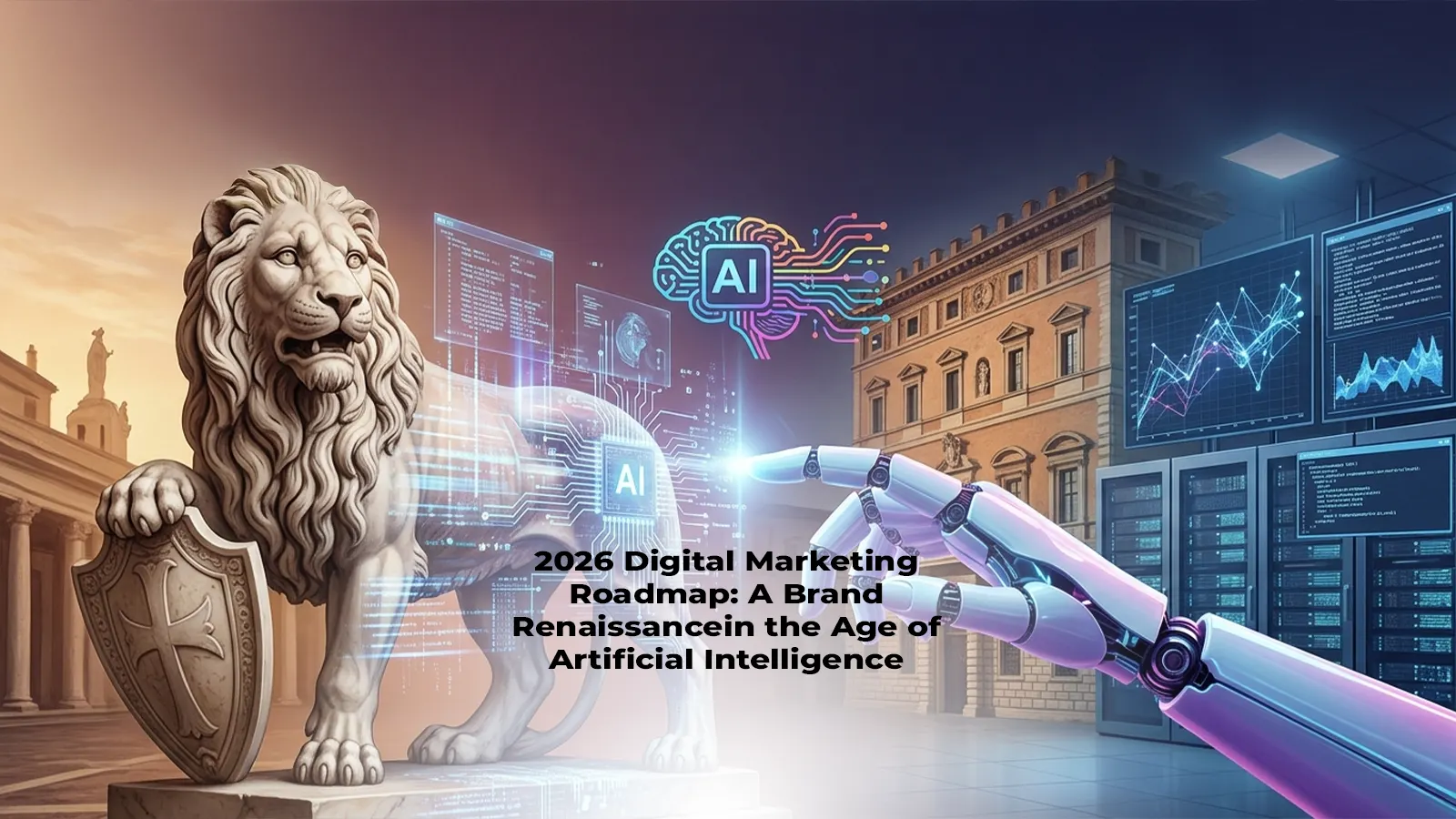
2026 Digital Marketing Roadmap: A Brand Renaissance in the Age of Artificial Intelligence
The pace of the digital universe continues to accelerate exponentially, outstripping even Moore’s Law. By 2026, marketing is no longer simply about “delivering the right message to the right person at the right time”; it is about “anticipating the right intent before it even forms and becoming part of that ecosystem.” As Alaattin Çağıl, this guide, distilled from our work with global brands at Mayfair Digital Agency, will serve as your brand’s constitution for 2026.
1. Macro Market Analysis and 2026 Outlook: The Beginning of the War of Minds
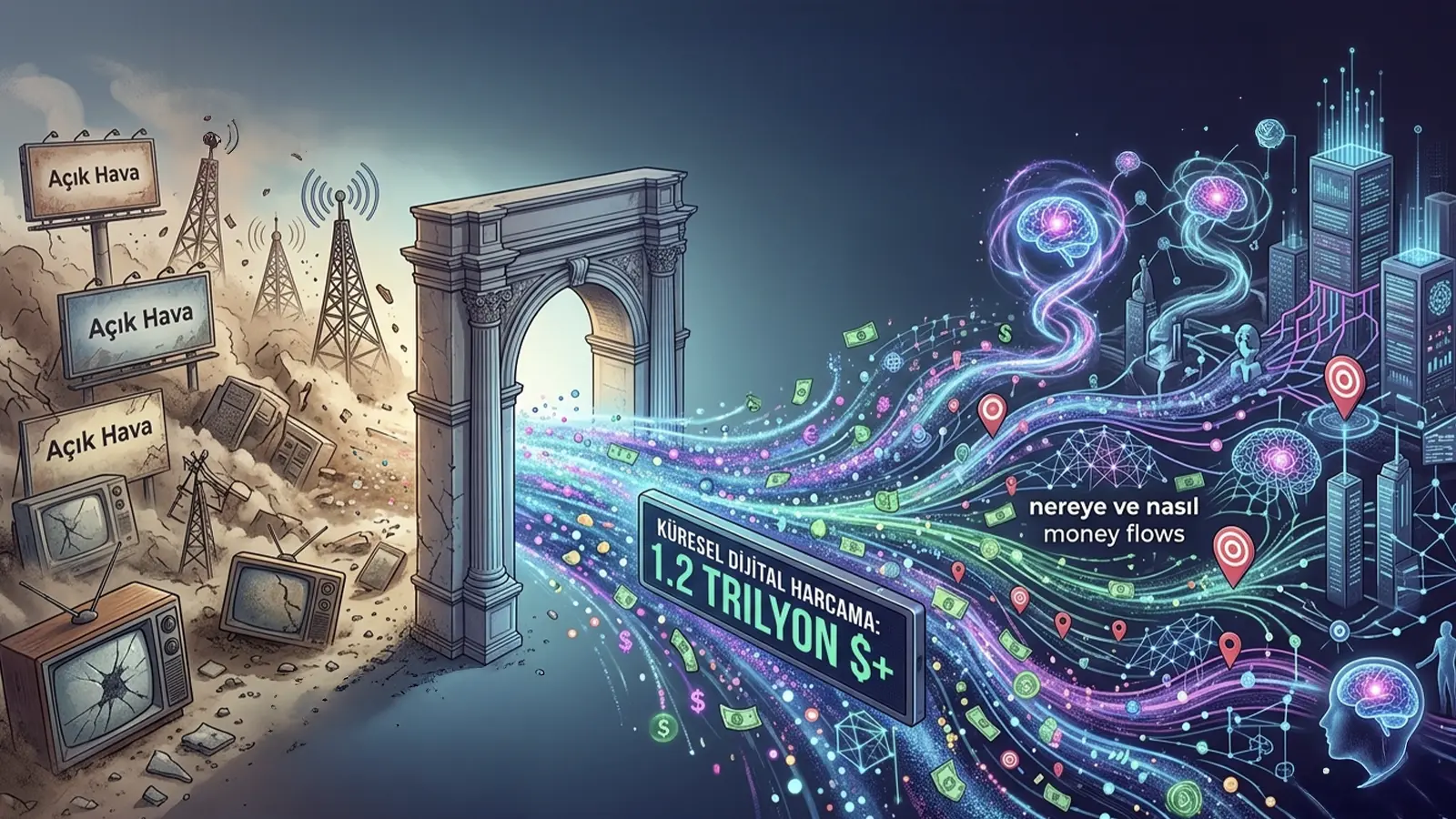
By 2026, the digital marketing landscape will be remembered as the era of “Great Saturation.” As the share of traditional media such as television, outdoor, and radio declines to symbolic levels, digital is no longer an alternative channel but the very backbone of the economy. Recent data from Statista indicates that global digital advertising spend has surpassed the critical threshold of $1.2 trillion. Yet the real story behind this vast figure is not the amount of money itself, but where and how it flows.
For brands, simply “being present” is no longer sufficient. In 2026, the market has evolved from a battle for space into a full-scale war of minds and algorithms. In an era where consumer attention is the rarest resource, advertising budgets are no longer spent on raw impressions but on AI-optimised, predictive, and micro-second decision-making systems.
Strategic Direction: From Technology to Storytelling
Paradoxically, this intense technological saturation has made the human element more valuable than ever before. As automation standardises everything, the only remaining differentiator is a brand’s character and authenticity. One of the most significant risks observed in global markets today is brands becoming soulless by turning into mere extensions of algorithms.
“In 2026, the greatest risk for brands is not failing to invest in technology, but using technology disconnected from the human spirit. Algorithms may tell you when to communicate, but what you say is still defined by your heart and your brand vision.” — Alaattin Çağıl
Our 2026 outlook is built on three core pillars:
- AI Enriched with Emotional Intelligence: Customer experiences that combine technological precision with empathy.
- Efficiency-Driven Execution: Ensuring every unit of ad spend is directed with pinpoint accuracy through machine learning.
- Speed and Agility: Transitioning from static strategies to dynamic, organic roadmaps in a rapidly evolving market.
In this context, the winners of 2026 will not be those who merely store vast amounts of data, but those who can transform that data into meaningful human stories.
2. AEO (Answer Engine Optimisation): The Evolution of SEO
The information hierarchy of Wikipedia and Google’s Search Generative Experience have fundamentally reshaped traditional SEO logic. Users no longer want to choose from a list; they expect direct solutions from AI.
| Feature | Traditional SEO (Past) | Answer Engine Optimisation (AEO – 2026) |
|---|---|---|
| Ranking Goal | First page, top 3 positions | Being selected as the single answer by AI assistants |
| Content Format | Long-form blogs and keywords | Structured data (Schema) and technical clarity |
| User Interaction | Clicks and on-site navigation | Zero-click information consumption |
| Strategic Focus | Traffic volume | Answer reliability and authority |
3. Machine Customers (Custobots) and Algorithmic Loyalty
The biggest paradigm shift in marketing history is underway: we are no longer trying to persuade only humans. According to projections by Gartner, by 2026, 20% of global commercial transactions will be carried out not by people, but by AI agents known as “custobots,” acting on behalf of users.
This shift requires marketing professionals to complement traditional persuasion psychology with algorithmic persuasion strategies. If your brand’s data cannot be analysed within seconds and identified as the most rational choice, it becomes invisible on the digital shelf.
| Decision Factor | Human Customer (Emotional/Social) | Machine Customer (Rational/Data-Driven) |
|---|---|---|
| Influence Source | Brand story, colour palette, influencers | Structured data (JSON-LD), API response speed |
| Decision Time | Minutes, hours, even days | Milliseconds |
| Loyalty Type | Emotional connection and experience | Efficiency and performance (algorithmic) |
| Priority | Social status and aesthetic pleasure | Logistics speed, technical specifications, clear pricing |
| Ad Response | Responds to storytelling | Processes raw data and logical layers only |
4. The Architectural DNA of E-commerce: Shopify Expertise and Operational Efficiency
E-commerce is no longer about “opening a shop”; it is a technical and commercial engineering process. According to our 2026 framework, a Shopify specialist is not merely responsible for design, but acts as a strategic partner managing performance and infrastructure.
While Shopify offers a user-friendly interface for basic setup, scalable success requires deep expertise. Particularly for stores with large catalogues, complex integrations, and high traffic, expert support eliminates critical risks.
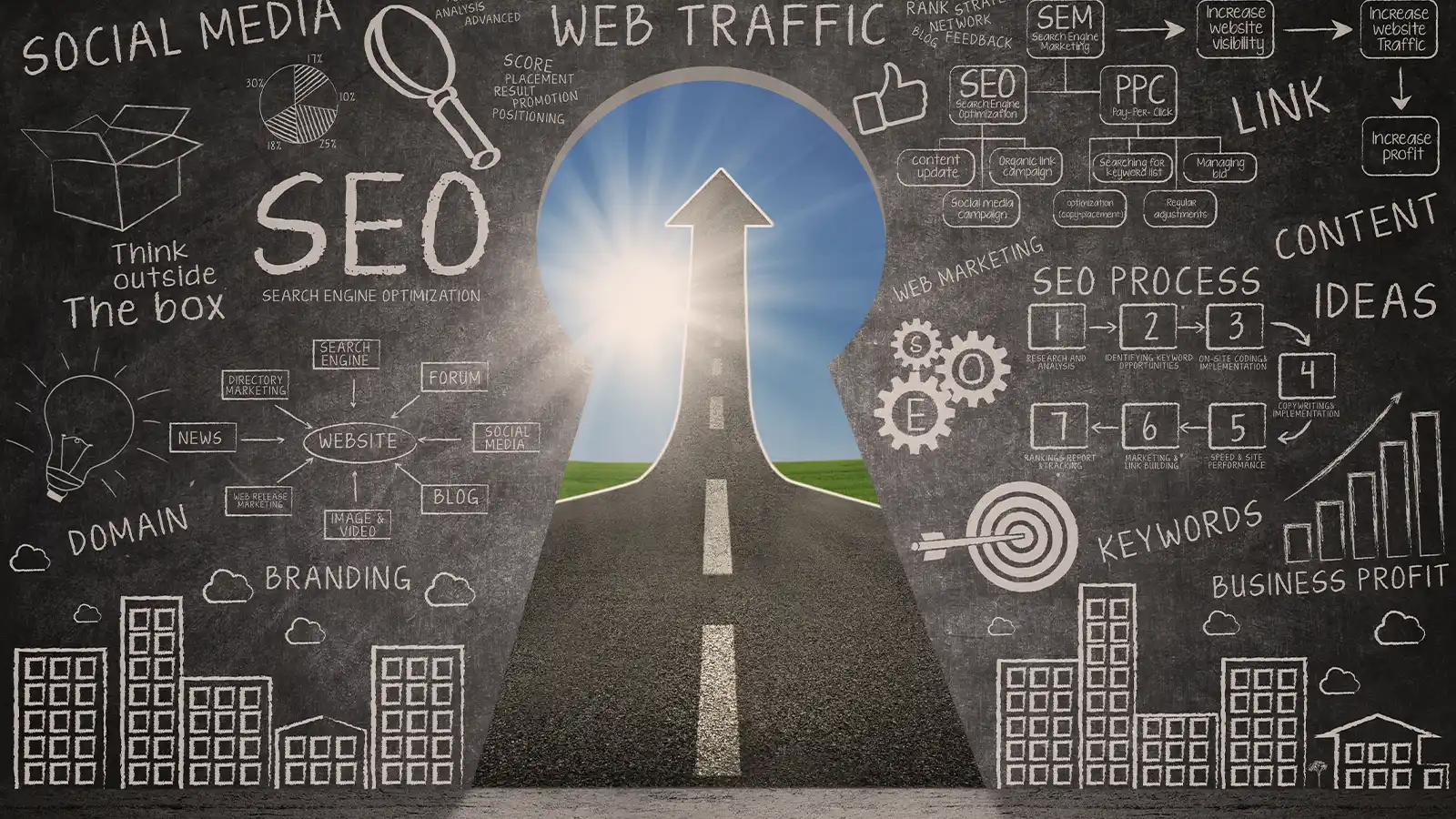
Strategic Role Distribution and Responsibility Matrix
| Role | Core Responsibility | Business Value |
|---|---|---|
| Shopify Specialist | Store management, optimisation, commercial structure | Increased conversion rates (CR) |
| Shopify Developer | Custom themes and apps using Liquid, HTML/CSS | Unique and inimitable user experience (UX) |
| E-commerce Manager | Overall sales and marketing strategy | Market share growth and brand positioning |
| Analytics Specialist | Deep analysis of sales and traffic data | Data-driven growth and improved ROAS |
Why Expert Support Matters
A poorly configured store is not just a technical flaw, it directly impacts revenue. A professional setup protects the brand across all layers, from payment systems and logistics integrations to SEO optimisation and checkout processes.
5. Hyper-Personalisation: From Data to Emotion
By 2026, the era of “one campaign for everyone” is over. Research from Salesforce shows that 73% of consumers expect brands to understand their individual needs instantly.
- Predictive Analytics: AI anticipates user needs before they arise and delivers proactive offers.
- Dynamic Experience: Websites adapt in real time based on user interests, location, and behavioural data.
6. The 2-Second Attention Economy: Video Dominance
According to Wyzowl, by 2026 more than 80% of internet traffic will be video-based. However, the critical factor is attention span.
“If you cannot touch the user’s soul within the first two seconds of a video, your two minutes of effort are wasted.” — Alaattin Çağıl
Short-Form Strategy
- Silent Viewing: As 85% of videos are watched without sound, visual storytelling and typography (subtitles) are essential.
- UGC (User-Generated Content): Authentic user-created videos carry 40% higher trust scores than professionally produced ads.
| Platform | Ideal Duration | Key Success Factor | Consumer Psychology |
|---|---|---|---|
| TikTok & Reels | 9–15 seconds | Hook within the first 1.5 seconds | Entertainment and instant dopamine |
| YouTube Shorts | 15–60 seconds | Visual quality and looping narrative | Curiosity and discovery |
| LinkedIn Video | 30–90 seconds | Subtitle authority and professional value | Knowledge and networking |
| Website / Shopify | 5–10 seconds | Silent, product-focused looped demos | Trust and purchase intent |
7. Data Ethics and Radical Transparency
In a 2026 world without cookies, Zero-Party Data, voluntarily shared by users, becomes invaluable. Brands must offer clear value in exchange for this data.
- Transparency: The question “Why are we collecting your data and what do we do with it?” must be clearly visible on your website.
- Ethical AI: All AI-generated visuals and content must be labelled accordingly, forming the new standard of trust in 2026.
8. 2026 Strategic Checklist: Is Your Brand Ready for Tomorrow?
By 2026, digital marketing is no longer a collection of siloed departments, but an integrated ecosystem where technology, data, and creativity converge. Below is an operational checklist to assess your brand’s readiness.
A. Technical Infrastructure and E-commerce Architecture
- [ ] Liquid & API Integration: Does your website seamlessly integrate with ERP, CRM, and logistics systems?
- [ ] Core Web Vitals 4.0: Is your site optimised for both users and AI data processing speeds?
- [ ] Checkout Optimisation: Is your checkout fully compatible with one-click payments and digital wallets?
B. Algorithmic Visibility
- [ ] Structured Data: Is your content fully machine-readable with Schema.org markup?
- [ ] Answer-Based Content: Do your pages provide direct answers suitable for AI assistants?
- [ ] Trust Score Management: Are your authority signals and backlink quality actively monitored?
C. Content and Attention Economy
- [ ] 2-Second Hook: Is attention capture within the first two seconds standard practice?
- [ ] Silent Viewing Compatibility: Do all videos communicate effectively without sound?
- [ ] UGC Engine: Do you have systems that encourage and reward user-generated content?
D. Data Strategy and Personalisation
- [ ] Zero-Party Data Infrastructure: Do you collect voluntary user data through quizzes, surveys, or memberships?
- [ ] Predictive Marketing: Is your data processed by AI to anticipate future purchases?
- [ ] AI Ethics Declaration: Have you clearly communicated your AI usage policies to users?
Strategic Note from Alaattin Çağıl:
“This checklist represents the fine line between merely existing and leading the market in 2026. Completing every item may take time, but digital marketing is not a destination, it is a continuous journey of adaptation. In the complexity of 2026, having a clear compass will be your greatest competitive advantage.”

Alaattin Cagil
Alaattin Cagil is a digital marketing and social media expert with extensive experience in strategy, audience engagement, and brand development. Certified by Google and Amazon, he leads high-impact campaigns in social media, digital advertising, content strategy, and analytics. As co-founder of Mayfair Digital Agency, he drives innovative projects, mentors emerging talent, and shapes the future of the digital marketing industry.
- Alaattin Cagil